15 Nov 2026
The Mechanics Behind Real-Time Adjustments in Digital Cash Incentive Programs
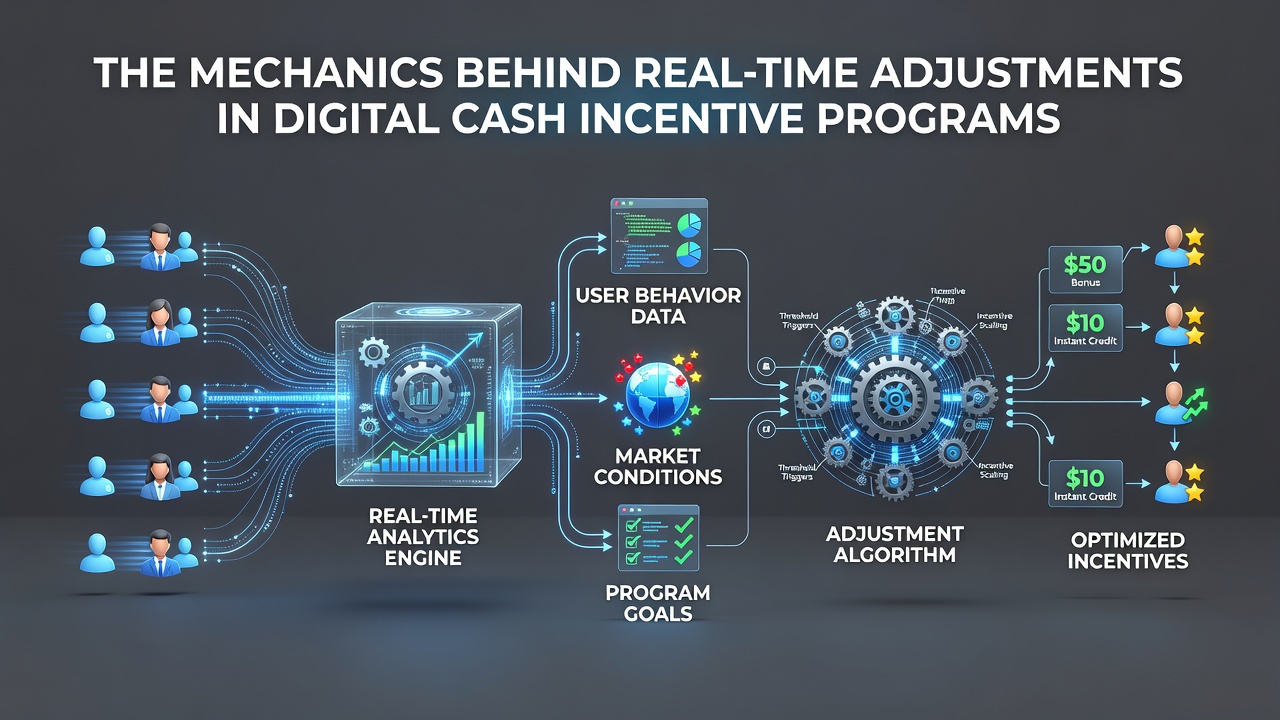
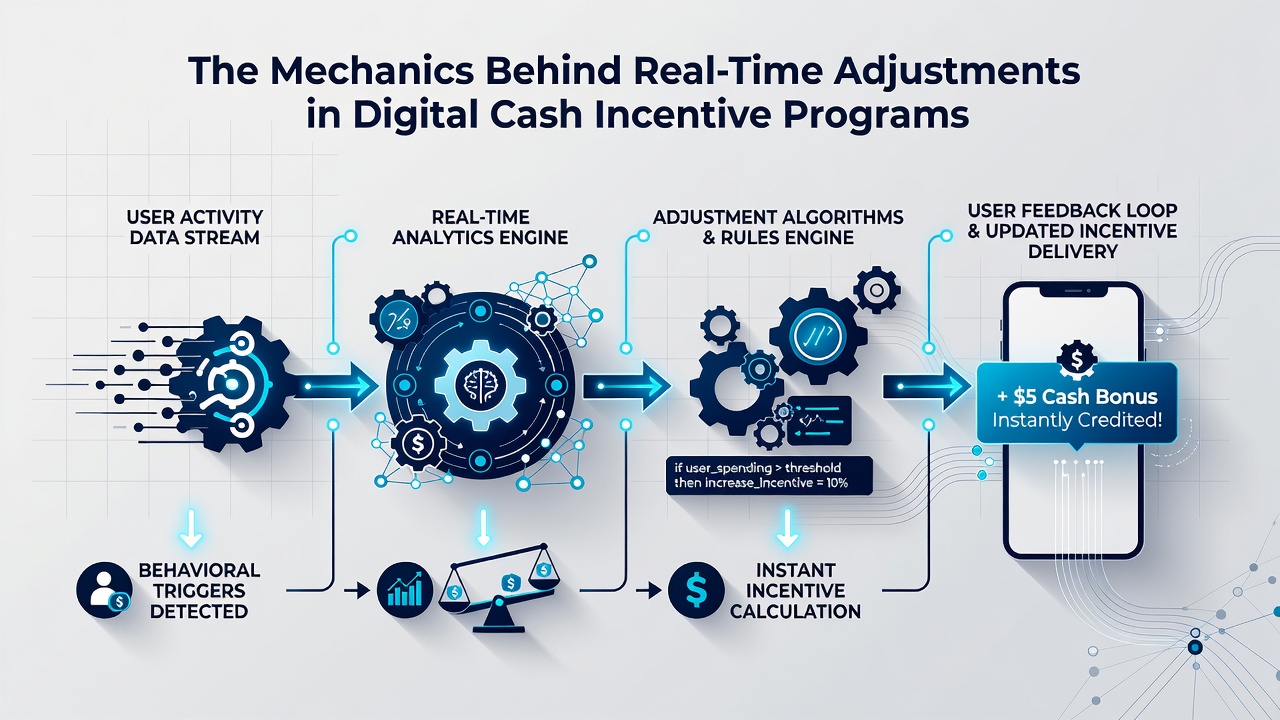
Digital cash incentive programs rely on continuous data streams that feed into decision engines capable of modifying reward values within milliseconds of user actions. These systems pull from transaction logs, session durations, device types, and geographic signals, then apply weighted algorithms to recalibrate offers before the next user interaction occurs. Observers note that the core architecture typically combines event-driven processing frameworks with machine learning models trained on historical payout patterns, allowing platforms to shift bonus tiers or eligibility thresholds without manual intervention.
Data Ingestion Layers and Processing Pipelines
Information enters these programs through multiple collection points that operate simultaneously. Mobile applications transmit clickstream data alongside purchase confirmations, while backend servers log API calls from partnered merchants. Researchers at institutions studying fintech infrastructure have documented how platforms consolidate these inputs into unified event queues, often using distributed systems that handle thousands of records per second. Once aggregated, the data passes through validation filters that strip out anomalies before feeding into scoring modules that determine current incentive levels.
Adjustments happen when predefined thresholds trigger rule sets or when predictive models forecast changes in user engagement. A participant who completes three consecutive daily tasks might see an immediate uplift in available cash rewards, while reduced activity prompts a downward recalibration within the same session. This responsiveness depends on low-latency connections between data warehouses and the adjustment logic, which many providers host on cloud infrastructure designed for sub-second query responses.
Algorithmic Decision Frameworks
Core logic within these programs frequently employs ensemble methods that combine rule-based constraints with statistical forecasts. According to reports from the Consumer Financial Protection Bureau, operators must maintain audit trails documenting every parameter change, especially when adjustments affect cash-equivalent values. The models evaluate variables such as time since last login, average spend per transaction, and cohort performance benchmarks derived from similar user segments. When new information arrives, the system recalculates expected lifetime value and applies multipliers or caps accordingly.
Platforms also incorporate A/B testing layers that run parallel versions of incentive structures on segmented user groups. Results from these experiments feed back into the main models within hours, allowing refinements that reflect actual response rates rather than assumptions. Data from the Monetary Authority of Singapore indicates that such iterative testing has become standard practice among large-scale operators handling cross-border reward programs.
Integration with External Systems and Compliance Checks
Real-time modifications require seamless connections to payment processors and banking partners so that updated reward amounts appear instantly in user accounts. These integrations often route through secure APIs that enforce daily or per-user limits set by regulatory frameworks. In November 2026, several jurisdictions updated disclosure requirements around dynamic pricing in incentive schemes, prompting developers to embed additional verification steps before finalizing any adjustment.
Security protocols scan incoming adjustment requests for signs of manipulation, comparing them against historical baselines and flagging deviations that exceed set tolerances. When anomalies appear, the system can freeze changes pending manual review while still allowing unaffected users to continue earning at prior rates. This layered approach helps maintain operational continuity across global user bases.
Scalability Considerations and Infrastructure Demands
Handling peak loads during promotional events demands elastic computing resources that expand automatically when transaction volumes rise. Providers distribute processing across multiple geographic regions to minimize latency for users in different time zones. Industry analyses from the Australian Securities and Investments Commission highlight how firms now monitor infrastructure metrics in tandem with reward performance indicators, ensuring that technical delays do not distort incentive calculations.
Storage solutions retain detailed logs of every adjustment for periods mandated by financial regulations, enabling retrospective audits and dispute resolution. These archives also supply training data for future model iterations, closing the loop between observed outcomes and algorithmic updates.
Conclusion
The operational backbone of real-time adjustments rests on synchronized data flows, responsive algorithms, and regulatory-compliant infrastructure that together enable continuous recalibration of digital cash incentives. As platforms evolve their technical capabilities, the emphasis remains on accurate tracking, secure transmission, and transparent documentation of every change that affects participant rewards.