20 Sep 2026
Participant Journeys Through Reward Allocation Pathways in Digital Platforms
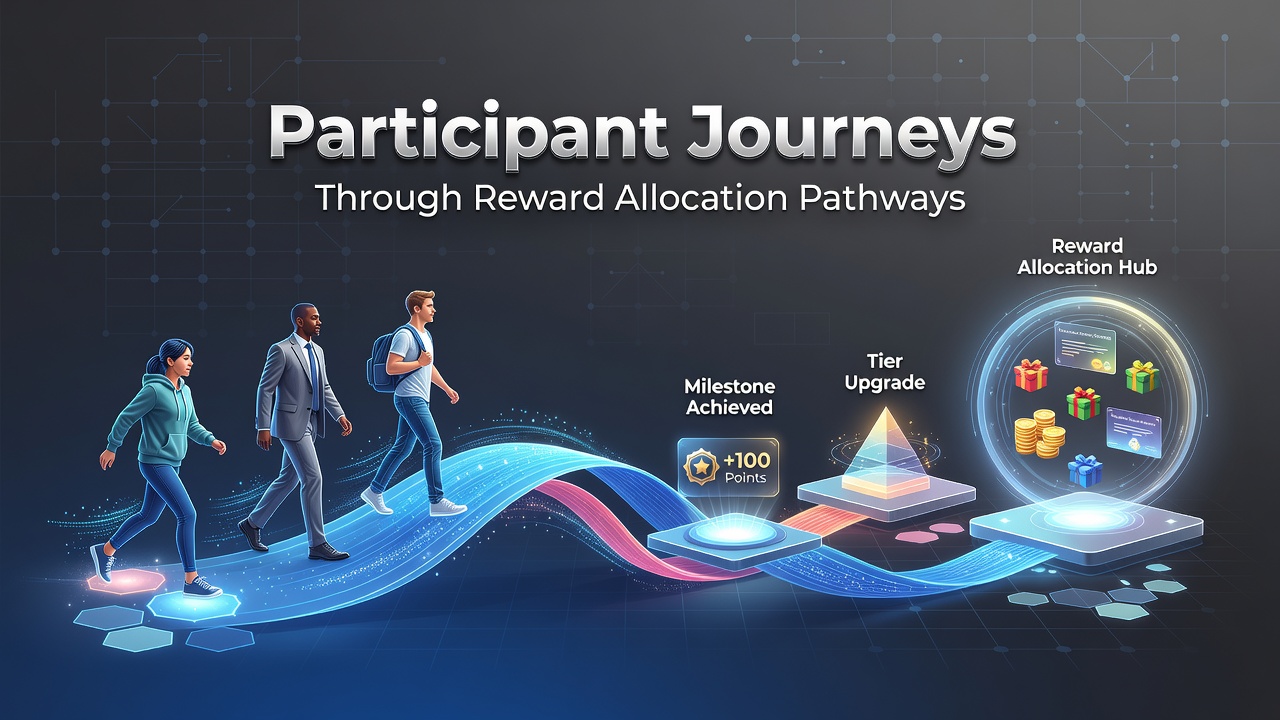
Digital platforms allocate rewards through structured pathways that guide participants from initial signup to final redemption, and observers note these systems shape user behavior across e-commerce, fitness applications, and content-sharing services. Researchers track how individuals progress through defined stages, each tied to specific actions like daily logins or content creation, while data from platform analytics reveal patterns in completion rates and drop-off points. In September 2026, figures from industry monitoring groups showed continued expansion of these pathways as companies integrated machine learning to personalize reward tiers based on user history.
Initial Onboarding and Pathway Entry
Participants begin their journeys at the registration phase where platforms collect profile data and assign starting points or badges, and experts at research institutions have documented how clear instructions during this stage increase retention by guiding new users toward first tasks. Those who complete profile verification often receive immediate micro-rewards such as points or virtual currency, which studies from academic centers link to higher engagement levels in subsequent weeks. Platform operators design entry gates that include tutorials or simple challenges, yet variations exist across regions with some services emphasizing social connections while others focus on individual metrics.
Engagement Phases and Milestone Tracking
Once inside the system, users move through layered engagement phases where cumulative actions unlock progressive rewards, and analysts observe that visual progress bars help maintain momentum by displaying remaining steps to the next allocation. Data collected across multiple applications indicates participants who set personal goals within the interface show steadier advancement compared to those following generic prompts. Companies refine these phases using A/B testing, adjusting reward values or adding time-limited challenges to sustain interest over months of use. Observers note regional differences in design, with platforms in Asia incorporating community leaderboards more frequently than counterparts in North America.
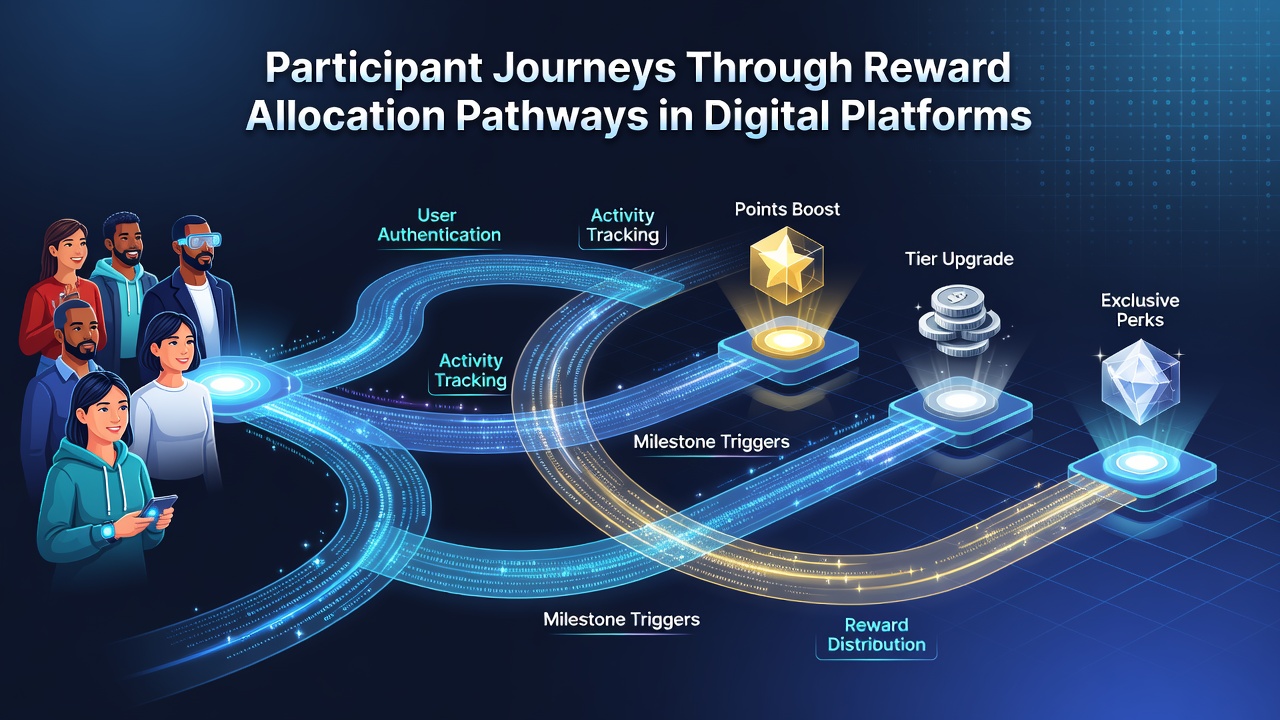
Redemption Processes and Allocation Mechanics
Reward redemption forms a critical junction where accumulated points convert into tangible benefits like discounts, physical goods, or exclusive access, and reports from the OECD digital economy analysis highlight how transparent conversion rates influence participant satisfaction and repeat activity. Platforms implement verification steps during this stage to prevent fraud, requiring additional confirmations that can extend processing times from hours to several days depending on the reward type. Those who study allocation pathways have found that offering multiple redemption options at once reduces abandonment rates, since users select items matching their immediate needs rather than settling for predetermined choices.
Feedback Loops and Pathway Adjustments
Digital platforms incorporate feedback mechanisms that allow participants to rate reward experiences or suggest improvements, feeding data back into algorithmic refinements of future allocations. Research papers published by university teams demonstrate that incorporating user suggestions correlates with longer overall journey durations and increased cross-platform referrals. In practice, operators monitor these loops through dashboards that flag underperforming segments, enabling targeted updates such as revised point values or new milestone categories without disrupting active users.
Cross-Platform Variations and Regulatory Context
Journeys differ when participants move between platforms, as interoperability remains limited and points rarely transfer directly, leading researchers to examine friction points that affect multi-service users. Government agencies in Canada and Australia have issued guidelines on disclosure requirements for reward terms, requiring clear language around expiration dates and eligibility criteria to protect participants from unexpected losses. These frameworks encourage platforms to maintain audit trails of allocation decisions, which in turn supports dispute resolution when users question denied redemptions.
Conclusion
Participant journeys through reward allocation pathways continue to evolve with technological advances and regulatory developments, as platforms balance engagement goals against transparency standards. Evidence from ongoing studies shows structured pathways improve user retention when designed with clear milestones and flexible redemption, yet success depends on consistent updates that reflect participant behavior across diverse digital environments. Those monitoring the space expect further integration of predictive tools to anticipate individual needs while maintaining compliance with emerging international standards.